




.png)
.png)


AI chatbots are changing how shoppers research products, compare options, and decide what to buy. For Amazon sellers and ecommerce brands, this shift matters because product discovery is no longer limited to a shopper typing a keyword into Amazon’s search bar.
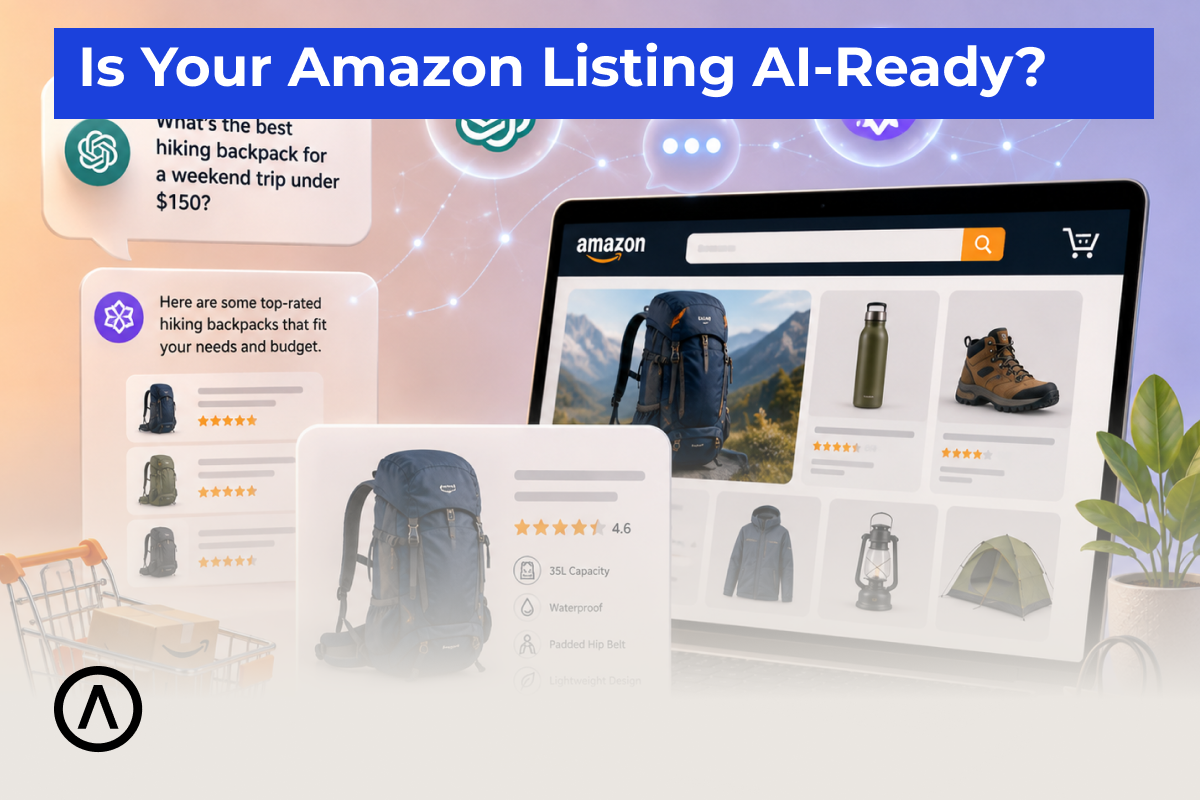
Today, someone might ask ChatGPT for the best hiking backpack for a weekend trip, use Perplexity to compare insulated water bottles, or search Amazon through an AI-powered assistant that narrows options based on use case, budget, reviews, and product details. The path to purchase is becoming more conversational.
Key Takeaways
AI chatbots are turning product discovery into a conversation instead of a simple keyword search. Shoppers are asking for recommendations based on needs, problems, comparisons, and real-life situations. To stay visible, Amazon brands need product listings that are clear, specific, well-structured, and supported by helpful content across the web. Strong Amazon SEO still matters, but it now needs to work alongside Answer Engine Optimization and Generative Engine Optimization.
From Keyword Search to Conversational Discovery
Traditional Amazon discovery is keyword-led. A shopper searches “waterproof hiking boots,” scans the results, checks ratings, compares prices, and clicks through a few listings.
AI discovery works differently.
A shopper might ask: “What are the best waterproof hiking boots for rocky trails under $150?”
That one query gives the AI more context than a simple keyword. It includes product type, use case, terrain, price range, and purchase intent.
This changes the way brands need to think about product content. AI assistants are built to interpret context. They pull meaning from product titles, bullet points, descriptions, reviews, FAQs, blog content, comparison pages, and sometimes wider web signals.
So the question becomes: can an AI assistant clearly understand what your product is, who it is for, and why it is a strong option?
If the answer is unclear, your product may be easier to overlook.
How AI-Powered Search Influences Amazon Buying Decisions
AI chatbots can shorten the research journey. Instead of opening ten tabs, shoppers can ask one question and receive a filtered summary.
This matters because many buying decisions start before the shopper lands on Amazon. A customer may ask ChatGPT for product types, use Perplexity to compare brands, read a few third-party resources, then complete the purchase on Amazon.
For Amazon sellers, that means visibility now depends on more than Amazon rankings alone. A strong product listing is still essential, but it should be supported by a broader content ecosystem.
Think of it this way. Amazon is where the transaction often happens. AI tools may increasingly influence what shoppers search for before they get there.
What AI Assistants Look For in Product Content
AI assistants are not shoppers, but they read product information in ways that reward clarity.
They need clean signals.
Strong content usually answers:
- What is the product?
- Who is it for?
- What problem does it solve?
- What features matter most?
- What makes it different?
- How does it compare to similar options?
- What use cases is it best suited for?
A vague product listing forces the shopper, and the AI tool, to work harder. A clear listing creates less friction.
For example, “premium outdoor backpack” is broad. “35L waterproof hiking backpack with padded hip support for weekend trips” gives AI tools and shoppers more useful context.
That extra specificity can help your product appear in more relevant discovery moments.
How to Optimize Amazon Listings for AI Discovery
Amazon SEO and AI discovery overlap in a few important ways. Both depend on relevance, clarity, and trust. The difference is that AI assistants often respond to full questions, not clipped search phrases.
Your listing should be optimized for both.
Start with the product title. It should include the core product type, key feature, and primary use case without becoming unreadable.
Then strengthen your bullets. Each bullet should communicate one clear benefit. Avoid stuffing in every possible keyword. Instead, connect features to shopper intent.
For example:
- “Insulated stainless steel keeps drinks cold for up to 24 hours”
- “Leak-resistant lid designed for hiking, gym bags, and daily commutes”
- “Slim bottle shape fits most backpack side pockets and car cup holders”
This type of copy works because it gives search engines, AI assistants, and shoppers concrete information.
Your A+ Content should do the same. Use it to explain materials, use cases, comparison points, and care instructions. If you need support improving Amazon content, Algofy’s Amazon services are built to help brands align listings, creative, ads, and performance strategy under one system.
Build Content Beyond the Amazon Listing
AI discovery does not stop at your product detail page.
If shoppers are asking AI assistants for recommendations, comparisons, and buying advice, your brand’s visibility may also depend on the quality of content around your product category.
That includes:
- Blog posts
- Buying guides
- Comparison articles
- FAQs
- Product education pages
- Review-focused content
- Social proof and case studies
For example, an outdoor brand selling camping cookware could publish content around “best cookware for lightweight camping,” “stainless steel vs titanium camping pots,” or “what to pack for a two-night backpacking trip.”
This gives AI tools more context to associate your brand with relevant shopping questions.
It also helps shoppers trust you before they reach the product page.
Why Reviews and Real Customer Language Matter
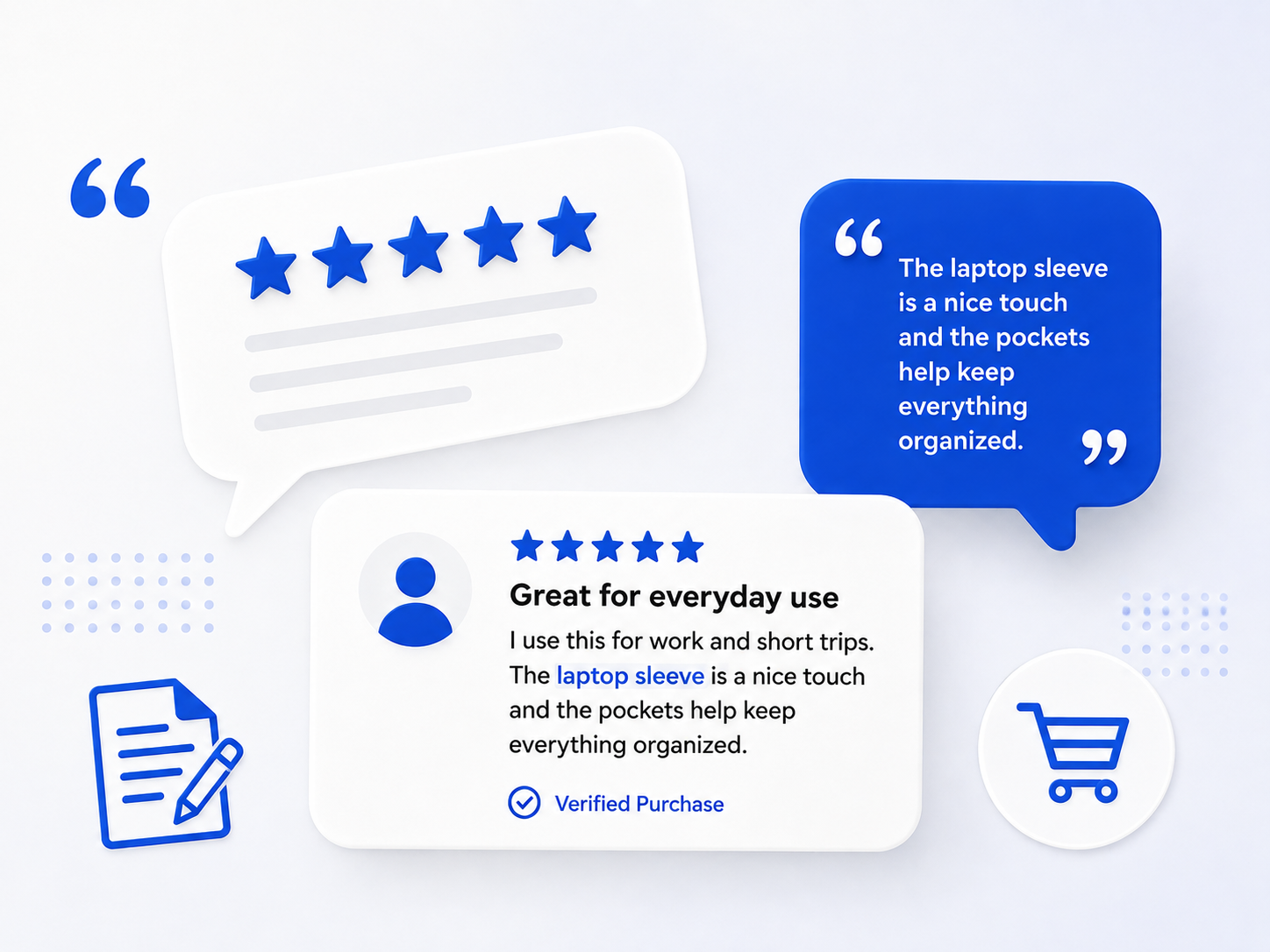
AI tools are designed to summarize patterns. Reviews give them useful language because customers often describe products in natural, specific ways.
A review might mention that a jacket is “warm enough for early morning hikes” or that a dog bed “holds up well after washing.” Those details are more useful than generic claims.
For Amazon sellers, this means review quality matters. You cannot control every review, but you can make sure your listing sets accurate expectations. Clear sizing, honest feature descriptions, and helpful imagery reduce confusion and improve the chance of relevant customer feedback.
Over time, that customer language can reinforce how your product is understood.
Prepare for AI-Driven Shopping Trends Before Competitors
AI shopping is still developing, and there will be changes in how platforms display, recommend, and rank products. That uncertainty can make the shift feel uncomfortable. Fair enough.
But brands do not need to rebuild everything from scratch.
The practical move is to improve the fundamentals:
- Make your Amazon listings more specific
- Answer real shopper questions
- Build helpful category content
- Strengthen reviews and product proof
- Keep your Amazon and DTC messaging consistent
- Track how shoppers discover your products across platforms
This is where a connected strategy matters. Amazon, SEO, paid media, and content cannot operate in separate corners forever. If AI tools are pulling signals from different places, your brand needs consistency across those places.
FAQs
How are AI chatbots changing Amazon product discovery?
AI chatbots are making product discovery more conversational. Instead of searching with short keywords, shoppers can ask detailed questions based on budget, use case, product features, and comparisons. This can influence what they search for and buy on Amazon.
Do Amazon sellers still need traditional Amazon SEO?
Yes. Amazon SEO remains important because shoppers still search directly on Amazon. The difference is that listings now need to be clear enough for both Amazon’s algorithm and AI-powered assistants that interpret product information in a more conversational way.
What is Generative Engine Optimization for Amazon sellers?
Generative Engine Optimization means creating content that AI tools can easily understand, summarize, and reference. For Amazon sellers, this includes clear product listings, helpful FAQs, buying guides, comparison content, and consistent messaging across channels.
Can ChatGPT or Perplexity recommend Amazon products?
AI tools can influence product research and recommendations, depending on their available shopping features, search access, and data sources. Even when the final purchase happens on Amazon, the shopper’s shortlist may be shaped earlier through AI-assisted research.
What should Amazon brands do first?
Start with your product listings. Make titles, bullets, descriptions, images, A+ Content, and FAQs more specific. Then build supporting content that answers the real questions shoppers ask before making a purchase.
Final Thoughts
AI chatbots are changing how shoppers discover products, but the goal for Amazon sellers remains familiar: be visible, be useful, and make the buying decision easier.
The brands that adapt early will have an advantage. They will create listings that answer clearer questions, content that supports discovery beyond Amazon, and product pages that give both shoppers and AI assistants the information they need.
AI-powered discovery rewards clarity. It rewards relevance. Most of all, it rewards brands that understand how people actually shop.
If your Amazon content still depends only on keywords, now is the time to evolve it. A stronger product discovery strategy can help your brand show up in more places, answer more buyer questions, and convert more informed shoppers.
Ready to make your Amazon strategy stronger for AI-powered discovery? Book a call with our team.