





.png)
.png)


If you sell on Amazon, product discovery is about to feel different. Less “search bar chess,” more conversation. More context. More recommendations that look like advice, even when they are driven by data.
Amazon’s Rufus is designed to help shoppers compare products, get recommendations, and answer product questions inside the Amazon experience. It’s already evolving toward more personalized shopping support and actions like building carts, tracking deals, and helping customers make decisions faster.
Key takeaways
- AI-led discovery shifts the game from keyword-only targeting to intent and relevance.
- Rufus can influence which products get recommended, so listing quality, reviews, and clarity matter more than ever.
- Early adopters gain an edge by optimizing for conversational queries and decision-support moments.
- Sellers should prepare listings for AI assistants that summarize, compare, and recommend products inside the marketplace.
What is Amazon Rufus, and why sellers should care
Rufus is a generative-AI shopping assistant embedded into Amazon’s shopping experience. Shoppers can ask it questions like:
- “What’s a good carry-on for international flights?”
- “Which running shoes are better for wide feet?”
- “Compare these two supplements for daily use.”
Amazon describes Rufus as a tool to answer questions, compare options, and guide decisions. That matters because the path to purchase shifts from browsing pages to getting an AI-generated shortlist.
And this is where the seller-side impact shows up: if customers are shopping through conversations, then your product detail page is no longer the only “salesperson.” Rufus becomes one of them.
How product discovery changes when an AI assistant sits in the aisle
Classic Amazon discovery has been shaped by:
- search terms and match types
- placement and ad auctions
- relevance signals from content and conversion
- reviews, ratings, availability, and price
Rufus doesn’t delete those fundamentals. It changes how shoppers arrive at decisions. It can interpret intent, summarize product attributes, and help customers choose faster, especially when questions are nuanced.
In 2026, expect discovery to look more like this:
- A shopper asks a question in natural language
- Rufus translates intent into constraints (budget, use case, size, sensitivity, compatibility)
- It recommends options and explains tradeoffs
- The shopper clicks fewer listings, but clicks with higher intent
That’s a shift sellers can feel in their metrics. Fewer casual visits. More “ready-to-buy” traffic. Higher expectations for clarity.
What Rufus is likely to reward in 2026
Amazon doesn’t publish a “Rufus ranking formula,” and you should be suspicious of anyone who claims it does. Still, the assistant’s job is straightforward: reduce uncertainty for the shopper. The listings that reduce uncertainty tend to win.
Here’s what that typically means for sellers:
1) Clear, structured product information
If your title, bullets, A+ content, and images make the product easy to understand, Rufus has cleaner material to summarize. Build content that answers the questions customers ask out loud.
Examples:
- Dimensions, compatibility, included accessories
- Use cases and “who it’s for”
- Care instructions, warranty, safety notes (when relevant)
2) A real review story, not a perfect one
A slightly imperfect review profile can be more believable than a too-polished one. The goal is consistency: steady volume, specific feedback, and recent reviews. AI assistants tend to surface themes. If reviews repeatedly mention “fits wide feet” or “battery lasts two days,” that becomes decision fuel.
3) Fewer vague claims, more proof
“Premium quality” is fluff. Sellers who back statements with specifics make it easier for an assistant to explain why a product is a fit.
4) Intent alignment over keyword stuffing
Yes, you still want search terms. But intent alignment wins more often: “best for travel,” “quiet for apartments,” “sensitive skin friendly,” “easy assembly.” That language maps to real questions.
Seller actions: a practical optimization checklist for AI-led discovery
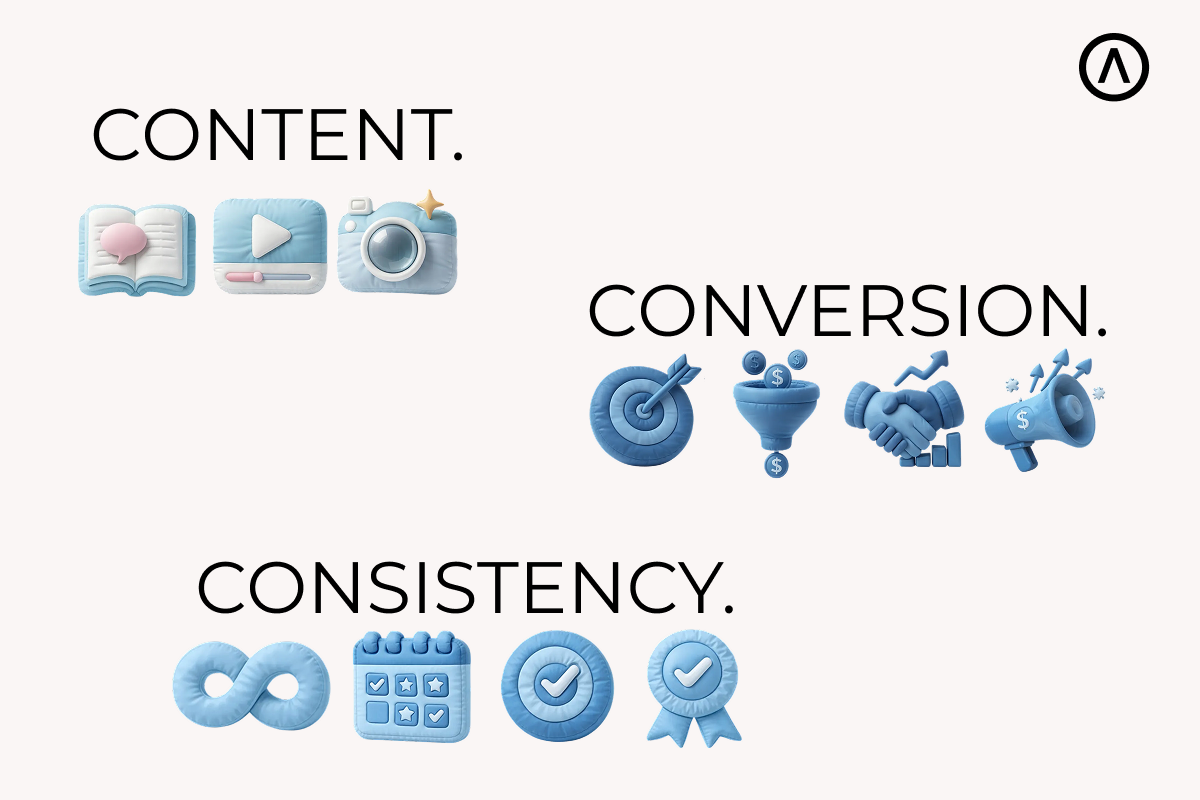
If you want a simple way to prepare for 2026, think in three lanes: content, conversion, and consistency.
Content: build for comparisons and questions
- Add a “compare me” mindset to bullets: what makes your product different, in plain language
- Expand attribute coverage (sizes, materials, compatibility, certifications where applicable)
- Use A+ content to answer objections before they appear
- Keep images purposeful: scale references, close-ups, and real-world use
If your brand is also investing in Storefront discoverability, it’s worth tightening that foundation too with our playbook.
Conversion: reduce friction because AI-led clicks are expensive
When shoppers arrive from an assistant recommendation, they’re often close to a decision. A confusing PDP is a leak.
- Audit mobile readability (titles, bullets, image order)
- Check variation clarity (size, color, pack count)
- Ensure pricing, coupons, and inventory stay stable during campaigns
- Tighten your Q&A section with crisp brand answers
Consistency: keep your signals aligned across the funnel
Here’s a quick, slightly uncomfortable question: if a shopper reads your listing, then visits your DTC site, do they see the same promise and proof?
Cross-channel consistency builds trust, and it can reduce return rates and brand confusion. This is also where a 360 partner helps connect the dots across Amazon, paid media, SEO, CRO, and creative. That’s how we approach growth at Algofy.
A quick digression that matters: “agentic” shopping is creeping in
Some of the newest shopping-AI features are moving from answering questions to taking actions, like cart-building, deal tracking, and even auto-buy behaviors when conditions are met. Amazon has highlighted capabilities like finding deals and assisting with cart actions.
So the seller's takeaway is simple: discovery and purchase can be compressed into one flow. If your listing is unclear, there may be no second chance.
Frequently Asked Questions
What is Amazon Rufus?
Rufus is Amazon’s generative-AI shopping assistant that answers customer questions, helps compare products, and provides recommendations within the Amazon shopping experience.
How will Rufus change product discovery on Amazon in 2026?
Discovery shifts toward conversational queries and AI-generated recommendations. Sellers will need to optimize listings for intent, clarity, and decision support, because fewer clicks may carry more purchase intent.
Does Rufus replace Amazon search?
Search still matters, but many shoppers will start with questions instead of keywords. That changes how they explore, compare, and commit to a purchase.
What should Amazon sellers optimize for AI assistants?
Prioritize structured content (titles, bullets, attributes), strong visuals, accurate claims, and reviews that clearly describe outcomes and use cases. Build pages that answer real questions quickly.
Will Rufus affect which products get recommended?
It can influence the shortlist shoppers see in conversational shopping. That makes relevance, listing quality, and trust signals more important for visibility.
Conclusion: prepare now, benefit later
AI-led product discovery is already happening, and 2026 is where it starts feeling standard. Sellers who treat Rufus as “another feature” will lag behind. Sellers who treat it like a new shelf in the store will adapt faster.
If you want help tightening your listings, aligning ads with intent, and building a system that performs across Amazon and DTC, book a call with our team. We’ll look at what’s working, what’s leaking, and what to fix first.