
February 12, 2026

Valentine’s Day Ecommerce Strategy: How to Capture Last-Minute Shoppers on Amazon

Strategy

For many ecommerce brands, Valentine’s Day can feel unpredictable. Demand spikes sharply, and so does competition. But there’s one segment consistently overlooked: last-minute Amazon shoppers. They’re high-intent, ready to buy, and often searching in a panic for “fast delivery Valentine’s gifts.” For DTC brands expanding onto marketplaces or struggling to get Amazon traction, this seasonal rush is one of the fastest ways to gain visibility, validate demand, and generate meaningful revenue.

Key Takeaways

  • The final 5–7 days before Valentine’s Day bring a surge of urgent, high-intent Amazon traffic.

  • Optimizing listings with gift-focused keywords and higher-quality visuals can meaningfully improve visibility in a short timeframe.

  • Sponsored Products and time-sensitive PPC help brands appear in searches where purchase intent is strongest.

  • Fast shipping (FBA or reliable FBM) is a non-negotiable for last-minute shoppers.

  • Even brands new to Amazon can launch quickly and capitalize on Valentine’s momentum with the right structure—and partner.

Why Valentine’s Day Is a Unique Opportunity for Fast Amazon Wins

Last-minute shopping behavior isn’t new, but Amazon amplifies it. Shoppers trust the platform to rescue them from missed reminders and forgotten gifts. For brands, this means:

  • Higher conversion rates due to urgency

  • Fewer “just browsing” shoppers

  • More searches tied directly to gifting, speed, and convenience

  • Lower barrier to visibility for optimized listings

This is also one of those moments when new sellers can break through. Unlike evergreen categories where competition wins through long-term ranking, seasonal surges reward relevance, speed, and precise optimization.

If you look at case studies from high-performing brands, the pattern is always the same: brands that move fast and optimize intelligently outperform those relying on passive traffic.

1. Optimize Your Listings for Gift Intent (Not Just Product Searches)

The week before Valentine’s Day, shoppers search less for product categories and more for gift outcomes. That slight shift in language matters.

Consider adding variants of:

  • Valentine’s Day gifts for him/her

  • Last-minute Valentine’s gift

  • Fast delivery Valentine’s Day

  • Gifts under $XX

Strong listing optimization includes:

  • A title that subtly references the gifting use case

  • Bullet points highlighting “quick delivery,” “easy gift,” or “perfect for Valentine’s Day”

  • Lifestyle images that feel a bit warmer, slightly more emotional

  • A main image that immediately communicates “gift-ready”

This type of optimization isn’t a huge lift, but it makes your listing fit the shopper’s state of mind. And shoppers in a hurry rarely want to think too hard—they want affirmation that they’ve found the right gift.

For deeper guidance, Algofy has published resources like the Complete Guide to Amazon Storefront Optimization, which can support your broader strategy.

2. Use PPC to Capture High-Intent Searches in the 3–5 Days Before Valentine’s Day

Organic ranking alone rarely carries brands in seasonal windows. Paid visibility, especially Sponsored Products, becomes essential. During the final days:

  • Bid slightly higher on gifting keywords

  • Prioritize your top 1–3 products

  • Increase budgets to avoid running out midday

  • Use exact match targeting for highest intent queries

  • Run a short-term campaign variant focused on “Valentine’s gift” searches

Because many competitors forget or opt out of this window, the landscape becomes more opportunistic than crowded.

Brands using AI-assisted budget allocation, like Algofy’s Amazon optimization systems, often see this period as extremely efficient because the algorithm rapidly identifies profitable queries and shifts spend dynamically. (You can explore how these systems work in Algofy’s Amazon insights content, such as the Amazon PPC playbook.)

3. Make Fast Delivery the Core of Your Value Proposition

Nothing matters more to last-minute shoppers than delivery speed. FBA obviously wins here, but many FBM sellers still rank well if they can guarantee 2–3 day delivery.
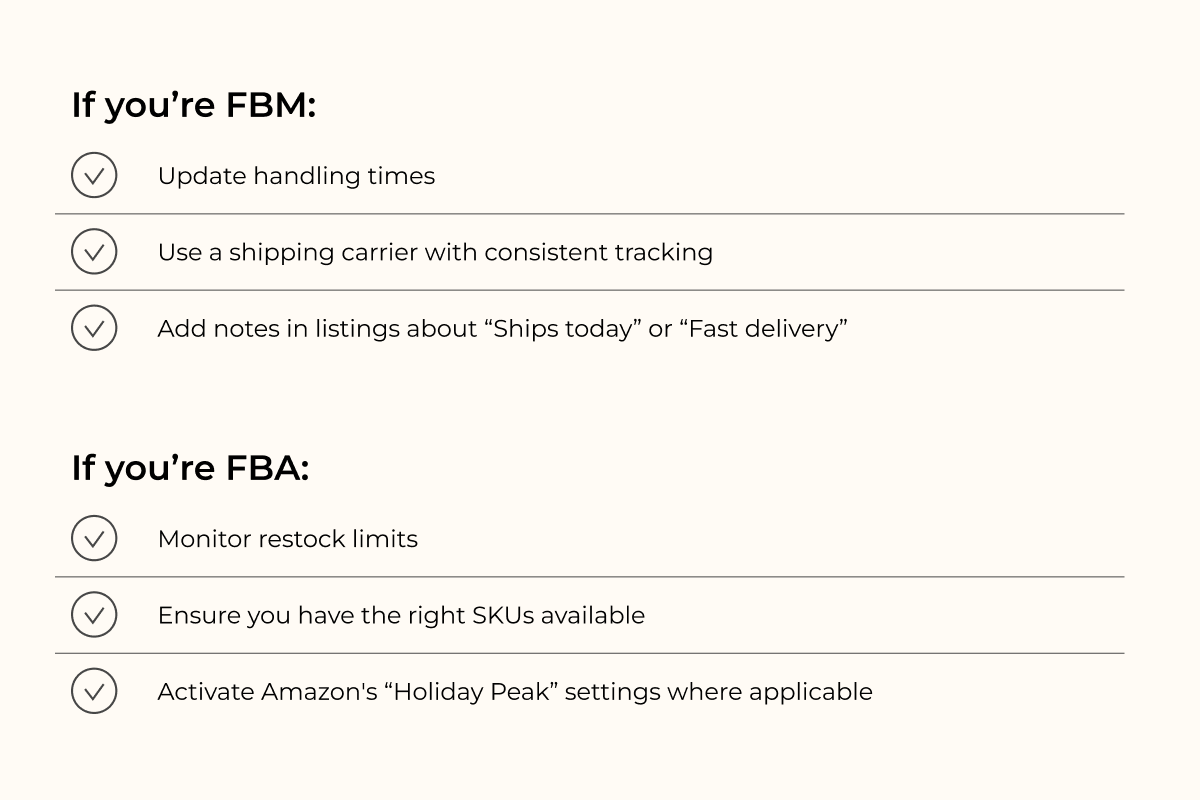
Speed isn’t an enhancement; it’s part of the purchase decision. In user behavior studies, delivery badges often outperform additional images or bullets in terms of driving clicks.

4. Create a Simple, Gift-Focused Amazon Storefront Section

Many brands underestimate storefronts, yet they’re one of the fastest ways to reinforce product value. Even one “Valentine’s Day Gift Picks” module helps funnel shoppers into a curated set of SKUs and reduces decision fatigue, a factor that spikes for last-minute buyers.

We’ve seen in numerous brand accounts that even small storefront adjustments increase AOV because shoppers feel guided, not overwhelmed.

5. Launch Quickly If You’re New: Valentine’s Day Is a Strategic Entry Point

Brands new to Amazon often assume they need months of setup before running seasonal campaigns. But with:

  • 1–2 optimized listings

  • Clear keyword targeting

  • Fast fulfillment

  • Targeted gift-intent PPC

A brand can go live and gain traction in days. Valentine’s Day offers a “controlled surge”, enough traffic to test positioning without the chaos of larger events like Prime Day.

FAQs: Quick Answers for Fast Strategy Execution

Can a brand-new listing realistically rank during Valentine’s Day week?

Yes. Seasonal demand boosts relevancy signals, making it easier for new listings with strong optimization and PPC activity to appear for gift-intent searches.

Should I create Valentine’s-specific bundles?

Only if you can fulfill them reliably. Simple variations (color, size, style) generally perform better than brand-new bundles created too close to the holiday.

Is FBA required to compete for last-minute shoppers?

Not required, but preferred. Fast FBM with 2–3 day delivery can still convert if messaging is clear and consistent.

How far ahead should brands begin seasonal optimization?

Ideally, 3–4 weeks before. But for last-minute shoppers, even optimizations within the final 7 days can generate strong returns.

Make Valentine’s Day a Strategic Growth Moment

Valentine’s Day isn’t only a gifting holiday; it’s a chance for brands to capture fast-moving, high-intent Amazon traffic and convert urgency into revenue. Listing polish, targeted PPC, fast delivery, and tight keyword alignment all come together to help even newer sellers break through. And with the right partner guiding your setup, your brand can treat every seasonal moment like an opportunity for compounding growth.

If you want expert support optimizing your Amazon presence for Valentine’s Day—or any peak season—book a call with our team and we’ll help you build a profitable, scalable marketplace strategy tailored to your brand.

 Check out our job openings here
Contact Us

Valentine’s Day Ecommerce Strategy: How to Capture Last-Minute Shoppers on Amazon

February 12, 2026

For many ecommerce brands, Valentine’s Day can feel unpredictable. Demand spikes sharply, and so does competition. But there’s one segment consistently overlooked: last-minute Amazon shoppers. They’re high-intent, ready to buy, and often searching in a panic for “fast delivery Valentine’s gifts.” For DTC brands expanding onto marketplaces or struggling to get Amazon traction, this seasonal rush is one of the fastest ways to gain visibility, validate demand, and generate meaningful revenue.

Key Takeaways

  • The final 5–7 days before Valentine’s Day bring a surge of urgent, high-intent Amazon traffic.

  • Optimizing listings with gift-focused keywords and higher-quality visuals can meaningfully improve visibility in a short timeframe.

  • Sponsored Products and time-sensitive PPC help brands appear in searches where purchase intent is strongest.

  • Fast shipping (FBA or reliable FBM) is a non-negotiable for last-minute shoppers.

  • Even brands new to Amazon can launch quickly and capitalize on Valentine’s momentum with the right structure—and partner.

Why Valentine’s Day Is a Unique Opportunity for Fast Amazon Wins

Last-minute shopping behavior isn’t new, but Amazon amplifies it. Shoppers trust the platform to rescue them from missed reminders and forgotten gifts. For brands, this means:

  • Higher conversion rates due to urgency

  • Fewer “just browsing” shoppers

  • More searches tied directly to gifting, speed, and convenience

  • Lower barrier to visibility for optimized listings

This is also one of those moments when new sellers can break through. Unlike evergreen categories where competition wins through long-term ranking, seasonal surges reward relevance, speed, and precise optimization.

If you look at case studies from high-performing brands, the pattern is always the same: brands that move fast and optimize intelligently outperform those relying on passive traffic.

1. Optimize Your Listings for Gift Intent (Not Just Product Searches)

The week before Valentine’s Day, shoppers search less for product categories and more for gift outcomes. That slight shift in language matters.

Consider adding variants of:

  • Valentine’s Day gifts for him/her

  • Last-minute Valentine’s gift

  • Fast delivery Valentine’s Day

  • Gifts under $XX

Strong listing optimization includes:

  • A title that subtly references the gifting use case

  • Bullet points highlighting “quick delivery,” “easy gift,” or “perfect for Valentine’s Day”

  • Lifestyle images that feel a bit warmer, slightly more emotional

  • A main image that immediately communicates “gift-ready”

This type of optimization isn’t a huge lift, but it makes your listing fit the shopper’s state of mind. And shoppers in a hurry rarely want to think too hard—they want affirmation that they’ve found the right gift.

For deeper guidance, Algofy has published resources like the Complete Guide to Amazon Storefront Optimization, which can support your broader strategy.

2. Use PPC to Capture High-Intent Searches in the 3–5 Days Before Valentine’s Day

Organic ranking alone rarely carries brands in seasonal windows. Paid visibility, especially Sponsored Products, becomes essential. During the final days:

  • Bid slightly higher on gifting keywords

  • Prioritize your top 1–3 products

  • Increase budgets to avoid running out midday

  • Use exact match targeting for highest intent queries

  • Run a short-term campaign variant focused on “Valentine’s gift” searches

Because many competitors forget or opt out of this window, the landscape becomes more opportunistic than crowded.

Brands using AI-assisted budget allocation, like Algofy’s Amazon optimization systems, often see this period as extremely efficient because the algorithm rapidly identifies profitable queries and shifts spend dynamically. (You can explore how these systems work in Algofy’s Amazon insights content, such as the Amazon PPC playbook.)

3. Make Fast Delivery the Core of Your Value Proposition

Nothing matters more to last-minute shoppers than delivery speed. FBA obviously wins here, but many FBM sellers still rank well if they can guarantee 2–3 day delivery.

Speed isn’t an enhancement; it’s part of the purchase decision. In user behavior studies, delivery badges often outperform additional images or bullets in terms of driving clicks.

4. Create a Simple, Gift-Focused Amazon Storefront Section

Many brands underestimate storefronts, yet they’re one of the fastest ways to reinforce product value. Even one “Valentine’s Day Gift Picks” module helps funnel shoppers into a curated set of SKUs and reduces decision fatigue, a factor that spikes for last-minute buyers.

We’ve seen in numerous brand accounts that even small storefront adjustments increase AOV because shoppers feel guided, not overwhelmed.

5. Launch Quickly If You’re New: Valentine’s Day Is a Strategic Entry Point

Brands new to Amazon often assume they need months of setup before running seasonal campaigns. But with:

  • 1–2 optimized listings

  • Clear keyword targeting

  • Fast fulfillment

  • Targeted gift-intent PPC

A brand can go live and gain traction in days. Valentine’s Day offers a “controlled surge”, enough traffic to test positioning without the chaos of larger events like Prime Day.

FAQs: Quick Answers for Fast Strategy Execution

Can a brand-new listing realistically rank during Valentine’s Day week?

Yes. Seasonal demand boosts relevancy signals, making it easier for new listings with strong optimization and PPC activity to appear for gift-intent searches.

Should I create Valentine’s-specific bundles?

Only if you can fulfill them reliably. Simple variations (color, size, style) generally perform better than brand-new bundles created too close to the holiday.

Is FBA required to compete for last-minute shoppers?

Not required, but preferred. Fast FBM with 2–3 day delivery can still convert if messaging is clear and consistent.

How far ahead should brands begin seasonal optimization?

Ideally, 3–4 weeks before. But for last-minute shoppers, even optimizations within the final 7 days can generate strong returns.

Make Valentine’s Day a Strategic Growth Moment

Valentine’s Day isn’t only a gifting holiday; it’s a chance for brands to capture fast-moving, high-intent Amazon traffic and convert urgency into revenue. Listing polish, targeted PPC, fast delivery, and tight keyword alignment all come together to help even newer sellers break through. And with the right partner guiding your setup, your brand can treat every seasonal moment like an opportunity for compounding growth.

If you want expert support optimizing your Amazon presence for Valentine’s Day—or any peak season—book a call with our team and we’ll help you build a profitable, scalable marketplace strategy tailored to your brand.

Related articles

article

Best AI Tools for Amazon Sellers in 2026

article

AI Rufus Shopping Assistant: How Amazon’s Conversational AI Will Change Product Discovery in 2026

article

Valentine’s Day Ecommerce Strategy: How to Capture Last-Minute Shoppers on Amazon