




.png)
.png)


Search behavior has changed. People still use traditional search results, yes, but they also ask full questions inside AI tools and expect a direct answer. Google now expands AI-generated search experiences through AI Overviews and conversational follow-ups, ChatGPT search blends web results with natural-language answers, and Perplexity positions itself as an answer engine built around real-time sourcing. For Amazon brands, that shift matters because visibility is no longer limited to ranking a category page or blog post. Your content now has to be understandable, quotable, and trustworthy enough to surface inside AI-generated answers.
Key Takeaways
- SEO helps your brand rank in traditional search results. GEO helps your brand get cited, summarized, or referenced in AI-generated answers.
- In 2026, Amazon brands need both. Strong rankings still matter, but structured, experience-led content matters more when answer engines decide what to mention.
- Product pages alone are rarely enough. Supporting content, category context, FAQs, and authority signals help AI tools understand your brand.
- Clear entity signals, consistent claims, expert-backed content, and crawlable pages improve your chances of appearing in AI-powered search experiences.
What Is the Difference Between GEO and SEO?
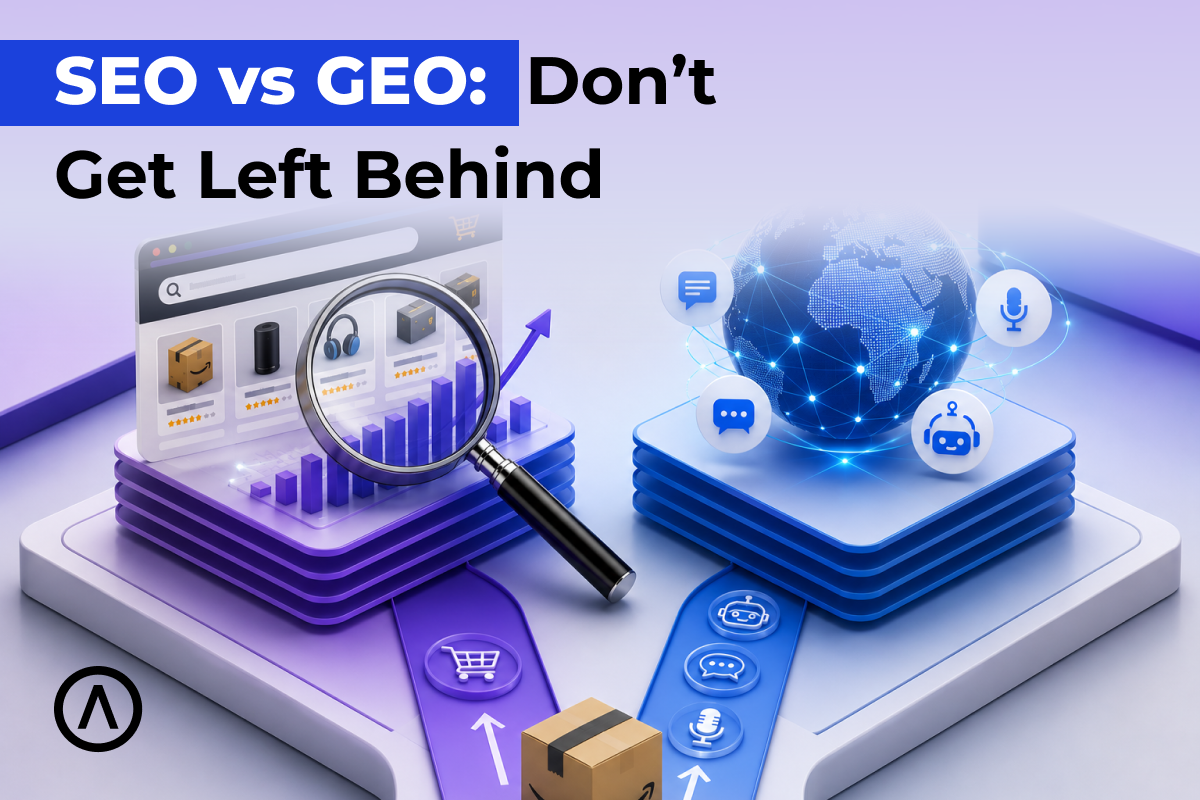
SEO, or search engine optimization, focuses on improving visibility in traditional search results. That usually means keyword targeting, technical health, internal linking, content depth, page speed, and search intent alignment.
GEO, or generative engine optimization, is a newer layer. It focuses on making your brand easy for AI systems to interpret and cite. That means your content has to answer questions directly, provide evidence, signal expertise, and connect related ideas in a way machines can confidently summarize.
Think of it this way: SEO helps you rank. GEO helps you get referenced.
That distinction matters for Amazon brands because many high-intent shoppers now research products through conversational prompts like “What’s the best portable fire pit for camping trips?” or “Which hydration brands have the best insulated bottle for long hikes?” If your brand only targets short-tail keywords and skips supporting educational content, you may miss those discovery moments.
Why GEO Matters for Amazon Brands in 2026
Amazon sellers have traditionally leaned on marketplace SEO, retail media, and conversion-focused creative. That still matters. But AI-powered discovery happens before the shopper lands on Amazon.
Google’s official guidance for AI features emphasizes the same foundation it has long recommended: unique, satisfying content for people, technically accessible pages, and strong page experience. OpenAI states that ChatGPT search pulls from web sources to answer timely questions, and Perplexity describes its product as a real-time answer engine built on sourced summaries. In plain English, these systems reward brands that publish credible content worth citing.
For Amazon brands, that creates a new growth opportunity. If your brand publishes category education, buying guides, use-case pages, expert FAQs, and well-structured product comparisons, you improve your odds of showing up earlier in the buying journey. And earlier visibility often means cheaper acquisition later. That is the kind of compounding effect growth teams care about.
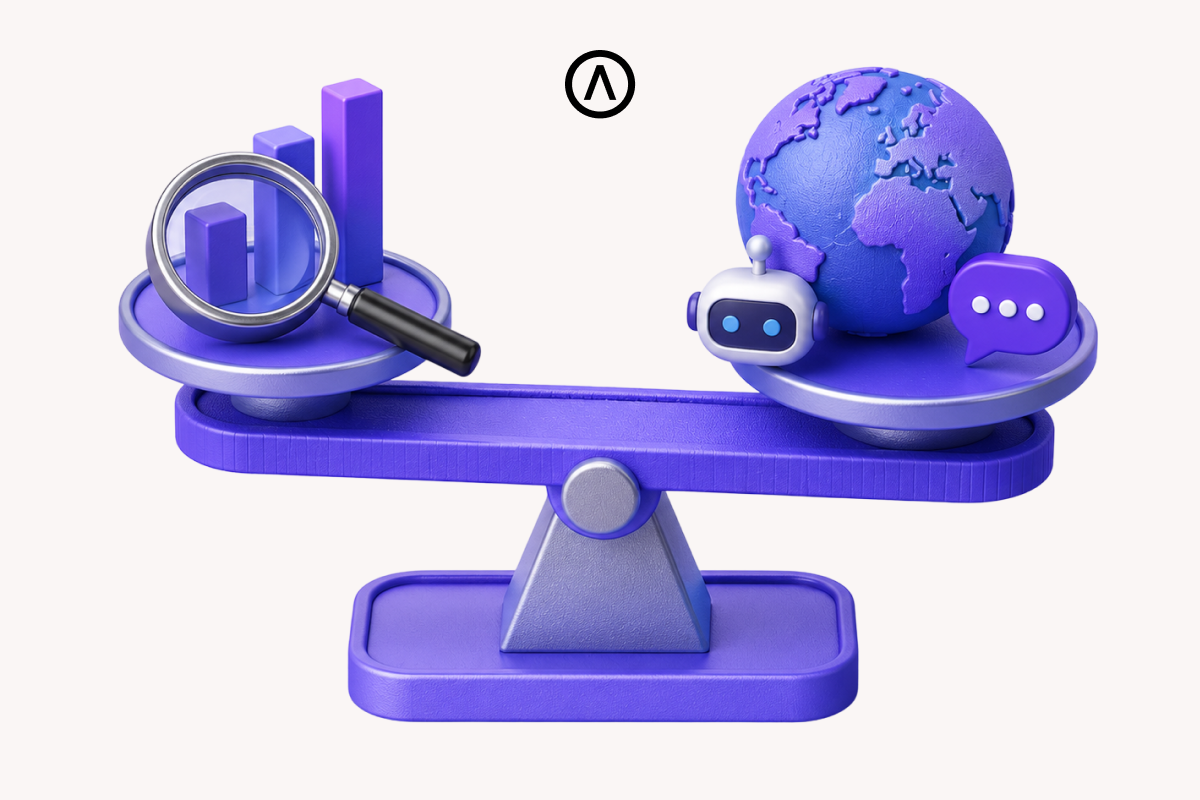
How Amazon Brands Should Balance GEO and SEO
1. Keep traditional SEO strong
Do not treat GEO as a replacement for SEO. AI systems still rely on web content that can be crawled, indexed, and understood. If your site has weak technical foundations, thin content, or unclear information architecture, your AI visibility will suffer too. Google explicitly recommends making sure pages are crawlable and meet its longstanding search guidance for inclusion in AI features.
2. Create content that answers real product questions
This is where many brands hesitate. They obsess over product specs and ignore buyer language. AI engines respond well to pages that answer questions naturally:
- Who is this product for?
- What problem does it solve?
- How does it compare to alternatives?
- When should someone choose one format, size, or bundle over another?
That kind of copy helps both humans and machines. It also gives your brand a better chance of appearing in AI summaries for long-tail queries.
3. Strengthen entity and trust signals
AI-generated answers tend to favor clear, attributable information. Make authorship visible. Cite credible sources for factual claims. Keep brand, product, and category descriptions consistent across your site. Add FAQ sections where they genuinely help. A scattered digital footprint creates ambiguity, and ambiguity hurts discoverability.
4. Build supporting content around Amazon products
Your Amazon listing is important, but it is not the whole system. Support it with off-Amazon content that expands context: blogs, landing pages, comparison pages, and seasonal buying guides. This gives search engines and answer engines more material to interpret.
For example, an outdoor brand selling hydration gear could publish a guide on choosing insulated bottles for hiking conditions, then connect that content to a conversion-focused product page. That is smarter than expecting one listing to carry the whole load.
Practical GEO Tactics for Ecommerce Teams
Here is a more grounded checklist for 2026:
- Write concise definitions near the top of key pages.
- Add FAQ sections that mirror conversational search behavior.
- Use plain language before industry language.
- Include first-hand experience, testing notes, or category expertise where relevant.
- Support product claims with evidence and keep those claims consistent.
- Refresh evergreen pages as search behavior evolves.
- Link related educational and commercial pages together.
- Publish content that covers use cases, comparisons, and buyer objections, not only features.
A small digression here, because it matters: many brands still separate content, media, and marketplace teams. That slows everything down. GEO works better when SEO, creative, and Amazon strategy feed the same system. A buyer does not experience your channels in silos. Your team should not optimize in silos either.
FAQs
What is GEO in digital marketing?
GEO stands for generative engine optimization. It is the practice of optimizing content so AI-powered search tools can interpret, summarize, and cite it accurately in generated answers.
Is GEO replacing SEO in 2026?
No. GEO complements SEO. Strong traditional SEO improves crawlability, relevance, and discoverability, which also supports visibility in AI-generated search experiences.
Can Amazon brands rank in ChatGPT, Perplexity, and Google AI Overviews?
They can improve their chances by publishing clear, trustworthy, structured content on owned web properties. AI tools use web content and source signals to assemble answers, so brands need more than optimized marketplace listings.
What content helps most with GEO?
Buying guides, comparison pages, expert FAQs, category education, and use-case content tend to help because they answer real user questions in a format AI systems can summarize.
Conclusion
In 2026, the GEO vs SEO conversation is really about coverage. SEO helps your brand stay visible in classic search. GEO helps your brand stay present in AI-powered discovery. Amazon brands that treat these as separate priorities will move slower than the market. Brands that connect technical SEO, authority-building content, and marketplace strategy will be easier to find and easier to trust.
If your team wants to close that gap, start with the basics. Tighten your information architecture. Build content around actual buyer questions. Make your expertise easier to verify. Then connect that content back to the commercial pages that drive revenue.
The brands that win in 2026 won’t treat SEO and GEO as separate channels. They’ll build unified systems that support discovery, trust, and conversion across every touchpoint.
If you’re looking to build that kind of system, book a call with our team.