





.png)
.png)


Voice shopping used to feel like a novelty. Ask a smart speaker for batteries, get whatever it suggests, move on.
In 2026, it’s sharper. Amazon’s Alexa+ is getting more conversational and is adding new shopping behaviors like tracking prices and auto-buying when a threshold is hit. That changes how “discovery” and “reorder” happen. Google is also pushing voice forward with Search Live in AI Mode, built for back-and-forth spoken conversations with Search.
The goal is simple: make your listings “voice-ready” without sacrificing conversions.
Key takeaways
- Voice commerce rewards clarity: clean product naming, tight attributes, and copy that matches how people speak.
- Amazon voice shopping leans heavily on reorders and past behavior, so retention signals (reviews, low returns, consistent inventory) matter more than ever.
- Google voice visibility often comes from featured snippets and clean page structure that answers questions fast.
- Product structured data can improve how Google understands and displays your products.
- “Voice SEO” is now blended with conversational AI search experiences like Search Live, so your content needs to be answer-first and trust-first.
1) Voice commerce in 2026: what changed
Two shifts matter:
Alexa is becoming more “agentic” about shopping
Recent Alexa+ updates include shopping features like monitoring prices and purchasing when a price target is met (for eligible users/regions). That means less browsing and more automated purchasing decisions. Your listing quality has to carry more weight, because customers may never see a full SERP.
Google is pushing live, spoken search sessions
Google’s Search Live lets users hold a voice conversation with Search and explore links during the flow. Translation: question-based content, clean answers, and credible sources matter even more.
2) Optimizing Amazon listings for Alexa voice shopping
Amazon does not publish a step-by-step “Alexa ranking algorithm” for sellers. So the smartest approach is to optimize the levers Amazon clearly does reward: relevance, conversion, and customer experience.
Also, remember a practical behavior: when customers ask Alexa to reorder or buy something, Alexa often references their order history before presenting options. That means retention and repeat purchase rate should be a core part of your voice visibility strategy.
Your “voice-ready” Amazon listing checklist
A. Build a speakable product name
Structure your title the way someone would actually say it out loud:
- Brand + product type + key differentiator + size/count + compatibility or use case
This helps voice queries that sound like: “Alexa, order [brand] electrolyte packets, lemon, 20 count.”
B. Write bullets like answers
Skip fluff—write bullets that answer real questions fast:
- What is it?
- What problem does it solve?
- What’s inside (count/size/material)?
- Who is it for?
- What makes it safer, easier, or higher quality?
Short digression: this is also how you win mobile skimmers.
C. Fill attributes like your revenue depends on it
Because it does. Attributes feed discovery and filtering. If your size, scent, compatibility, or “fits model X” fields are inconsistent, voice matching gets harder.
D. Keep inventory stable and reviews healthy
If voice shopping routes customers toward familiar reorders, you want customers to keep coming back. Alexa reordering features explicitly lean on prior purchases.
Operationally, review velocity and returns are the early warning signals. Watch them daily for hero ASINs.
3) Optimizing Google listings for voice search
Voice queries on Google skew conversational. People ask complete questions, not fragments. For example, instead of typing “best electrolyte packets,” a user might ask: “What are the best electrolyte packets for running?” — and expect a direct answer.
The good news: Google is transparent about two pieces that matter for voice-driven answers.
A) Featured snippets are a voice opportunity
Google explains that featured snippets are selected based on how well a page answers a question and how helpful it is. If you want a shot at being read aloud, make your page the most direct and complete answer.
Practical formatting that works:
- Use H2s written as questions
- Answer immediately in 35–50 words
- Add a short list of steps or bullet points after the direct answer
B) Use product structured data for ecommerce pages
Google’s Search Central documentation explains how product structured data can help Google understand product pages and improve how they appear in Search.
Your baseline for 2026:
- Product schema (name, image, description)
- Offers (price, availability)
- AggregateRating and Review, when eligible and accurate
This is less about “hacking voice” and more about making your product data machine-readable.
C) Speakable schema exists, but it’s not for product pages
Google’s Speakable structured data is designed for topical news content in Google Assistant contexts. If you sell products, don’t bank on Speakable as your voice commerce strategy. Focus on snippets + structured data + clear Q&A content.
4) The 90-day plan: turning voice into a system
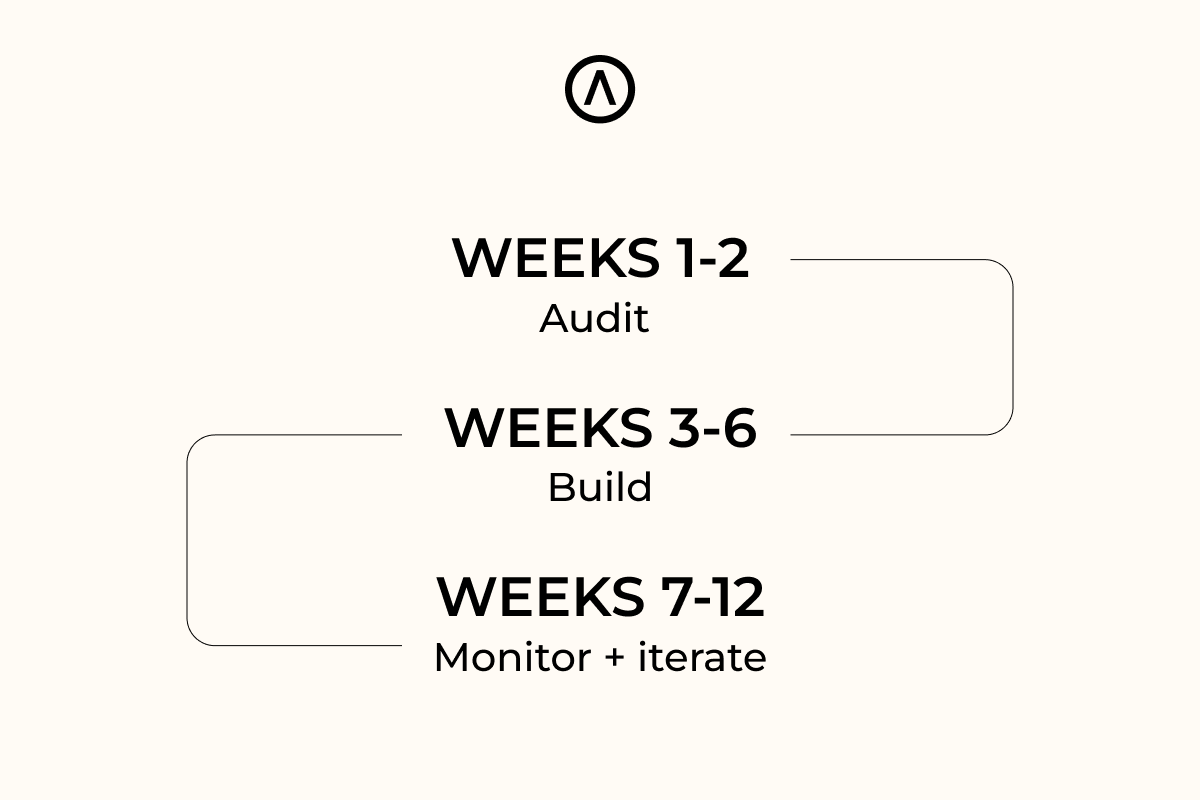
If you want momentum without chaos, run this in three phases:
Weeks 1–2: Audit
- Top 20 ASINs: title structure, bullets, attributes, review patterns
- Top 20 landing pages: snippet readiness and schema coverage
Weeks 3–6: Build
- Create a “voice query bank” from customer questions (Amazon Q&A, reviews, support tickets)
- Update bullets to answer the top 10 questions per hero SKU
- Create 5–10 Google pages that answer high-intent questions with short, direct responses
Weeks 7–12: Monitor + iterate
- Track share of voice on Amazon for core queries
- Track snippet wins/losses on Google
- Keep an eye on conversational search (Search Live and AI Mode are evolving fast)
Frequently Asked Questions
How do I optimize my Amazon listing for Alexa voice shopping?
Make the title speakable, write bullets that answer questions quickly, complete all relevant attributes, and protect repeat purchase signals like review health and low returns. Alexa reorders often reference order history.
How do I optimize for Google voice search?
Structure pages around questions, answer directly near the top, and format content so it’s easy to pull into featured snippets. Google selects featured snippets based on helpful answers to queries.
Does schema markup help voice search for ecommerce?
It helps Google understand your products and can improve how product info appears in Search. Start with Product structured data and accurate Offer fields.
What is Google Search Live, and why does it matter for voice?
Search Live enables back-and-forth voice conversations with Search in AI Mode. It increases the value of clear answers and credible pages that can be explored during a spoken session.
Is Speakable schema important for ecommerce brands?
Speakable is intended for Google Assistant news queries, not general product pages. Ecommerce brands should prioritize snippets, structured data, and Q&A content.
Conclusion
Voice commerce in 2026 is less about gimmicks and more about discipline. Clean product data. Copy that sounds like real speech. Pages that answer questions in seconds. On Amazon, that means listings built for clarity and repeat purchase behavior. On Google, it means snippets, structured data, and content that holds up inside conversational search experiences like Search Live.
If you want help implementing this across Amazon + Google without burning your team out, book a call with our team. Algofy is built for integrated growth across channels, with Amazon and SEO under one roof.